Walk of Time: The Fordigraph Machine

Long before photocopiers and laser printers became everyday tools, schools in Malaysia relied on a spirit duplicator, historically known as a Ditto Machine or Banda Machine. A quick prompt to ChatGPT:

Bro, in old offices/schools they used a machine to duplicate papers before photocopiers existed. What was that machine called, and how did it work

It led me to several answers

  1. A mimeograph (Gestetner) machine was a duplicator that printed copies using ink + a waxed stencil, and
  2. Spirit duplicator (Ditto machine / Banda machine) — purple ink

One line that instantly triggers my memory is: “If your memory involves purple worksheets, that’s the ditto/Banda machine.” A quick look at Wikipedia provides me with the information as below:

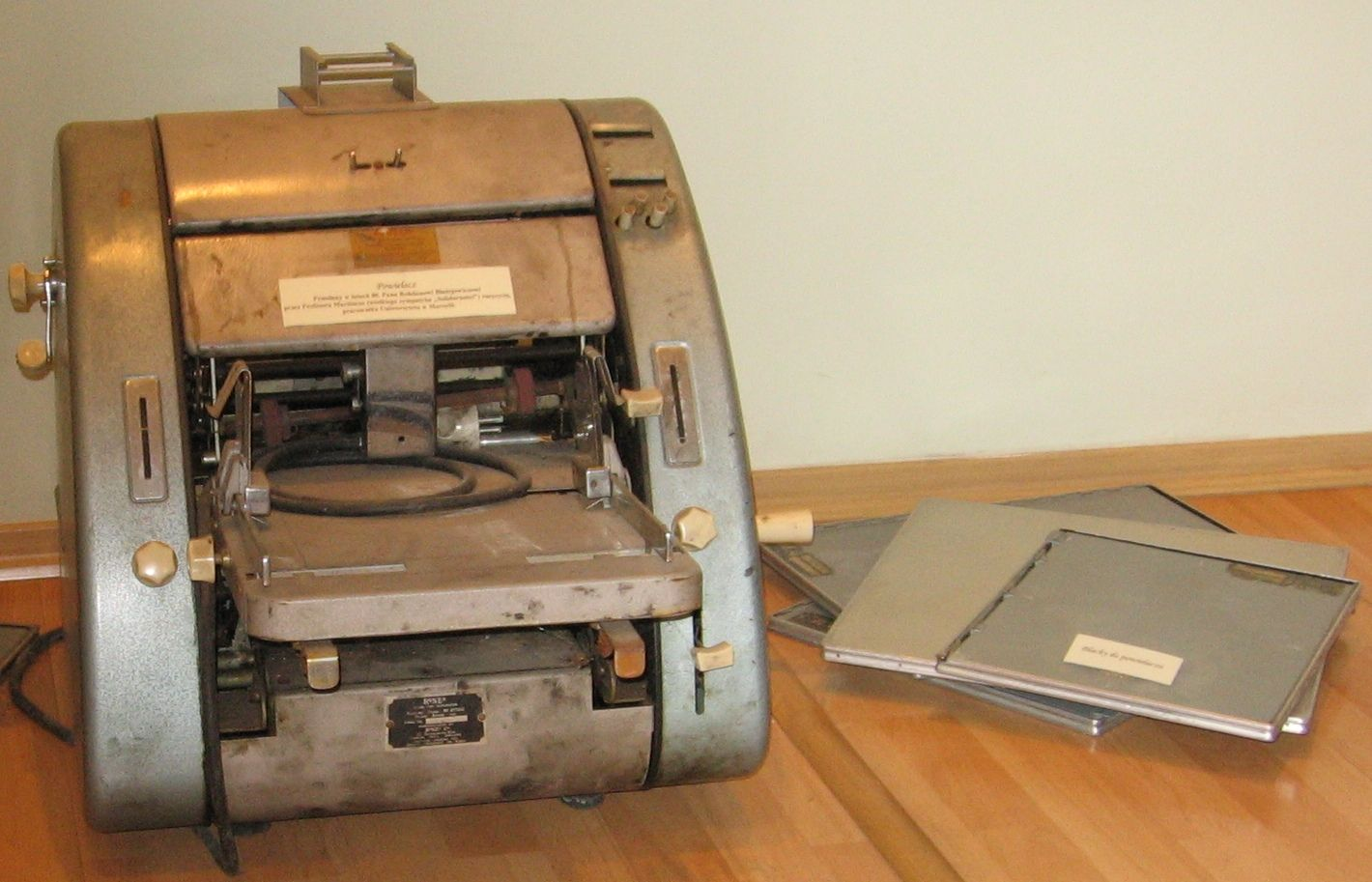
A spirit duplicator (also Rexograph and Ditto machine in North America, Banda machine and Fordigraph machine in the U.K. and Australia) is a printing method invented in 1923 by Wilhelm Ritzerfeld, which was used for most of the 20th century. The term “spirit duplicator” refers to the alcohols that were the principal solvents used in generating copies. ~ Spirit duplicator

“Spirit duplicator” – Image courtesy of https://quipster.wordpress.com/2010/07/28/ditto-machine-spirit-duplicator-of-yesteryear/

How It Worked

The Fordigraph was a spirit duplicator commonly used in schools. Teachers prepared special wax-coated master sheets, carefully typed or written. Once mounted on the drum, the machine applied an alcohol-based solvent that dissolved a thin layer of dye from the master and transferred it onto each sheet of paper.

I recall passing by the printing room, where the pleasant scent lingered in the air, a sure sign that exams were on the way.

The Charm of Imperfection

Fordigraph copies had quirks. Text could fade after a few dozen runs, and the sweet chemical smell lingered in the classroom. Yet these “imperfections” became part of the ritual. Students linked the aroma and colour to exam season or new song sheets for assemblies. Holding a freshly duplicated page felt like holding a fragile yet meaningful piece of shared effort.

In Malaysia, the Fordigraph earned a local identity; teachers and students fondly called it mesin cetak. Fordigraph became part of the local school culture. Fast, affordable, and practical for small batches, it was ideal for everyday classroom use. (Teachers… I am referring to the wrong machine. Please correct me. I am not sure if it was a Banda Machine or a Gestetner Printer) – Mana nak ingat dah, tapi yang pasti both of these have very distinctive and pleasant smell.

Looking Back

Today, the copier machine feels almost mythical, replaced by photocopiers and digital printers. Yet its memory lingers in the purple text, the smell of solvent, and the anticipation of exam papers. For those who went to school in the 80s or maybe earlier, this machine is more than a duplicator—it is a symbol of resilience, community, and the tactile joy of learning.

Digital Parenting: A Librarian’s Guide to Teen Safety

Parenting in the digital age is a unique challenge. Our teenagers live in a world where information, connection, entertainment, and risks all travel through the same screen. As an information professional, or as someone who has spent years curating trusted sources, filtering noise, and teaching users how to navigate information safely, I believe that many of the principles we apply in libraries are exactly what parents need at home today.

Why Digital Parenting Matters

The Internet is a double-edged sword. It offers endless learning, creativity, and connection and many other of good stuff… However, it also exposes our children to misinformation, cyberbullying, inappropriate content, and addictive platforms. As guardians of their growth, we must equip them not just with filters but with frameworks for thinking critically and acting responsibly.

Digital parenting is not about policing every click. It is about guiding, mentoring, and empowering teenagers to become responsible “Netizens”. Here are simple, practical ways families can borrow the principles of librarianship to keep teens safe online.

Act 1: Build a Safe Digital Environment

Saudara semua… This is the 1st line of defence. You will need to ensure that you protect the fort at all costs by:

Install parental control on all devices to monitor and control their activities. Tools like Microsoft Family Safety for Windows and Xbox, Google Family Link for Android devices and Apple Screen Time for iOS can set screen time, filter content and produce a report of their activities.

ToolBest Use CasePlatformKey Features
Microsoft Family SafetyMicrosoft EcoSystemWindows, Xbox and Android DevicesScreen time limits, content filters, location sharing
Google Family LinkAndroid Users below 17Android and ChromeOSApp approvals, screen time, bedtime schedules
Apple Screen TimeApple EcoSystemiOS, macOS and iPadOSApp limits, downtime, content restrictions

Then we can secure our home network with DNS filters like the ones below to block harmful sites or adult content at the router level

ServiceBest ForSetupFeatures
CleanBrowsingFamilies with young kids or teensRouter or device-levelBlocks adult content, phishing, and malware
OpenDNS Family ShieldQuick plug-and-play filteringRouter or device-levelPre-configured to block adult content
Cloudflare Family (1.1.1.3)Privacy-focused familiesRouter or device-levelBlocks malware and adult content, fast DNS speeds
Pro tip: Set the DNS filter at your home router to protect every device connected to your Wi-Fi – phones, tablets, laptops, even smart TVs.

Act 2: Teach Digital Literacy, Not Just Rules

This step is about telling them to question everything so as not to blatantly accept whatever is written on the net. As a librarian, I have seen how powerful it is when young people learn to question what they see online. I always tell my kids that not everything online is true. They should learn to pause before believing, sharing, or reacting. Imagine if everyone did this. Just tell them to:

  • Evaluate sources. Who wrote this? Why? Is this credible? Is this true?
  • Spot manipulation. Clickbait, ragebait. Teach them to recognise emotional triggers and purposeful misinformation tactics by idiots.
  • And lastly, you will be defined by your social post. Tell them about digital footprints. Whatever is posted on the net shall become their identity.
  • And yes, not to forget. Tell them about oversharing. Not everything is ok to be shared. Again, once posted it will be there forever.

Act 3: Model Good Digital Behaviour

Bapak borek anaknya rintik. They learn from us and they observe more than they listen. If we role-model ourselves by scrolling responsibly, fact-checking news, avoiding toxic comment sections, putting the phone down during meals, and staying away from explicit materials… they are more likely to follow.

I think that digital parenting starts with digital self-awareness.

And, I also firmly believe that totalitarianism does not promote growth and intellectuality. Apart from instilling control and limitations, there must be room for discussion. Rules without relationships breed rebellion. Instead of just saying “No!” say “Let’s discuss.”

Tell why some of the applications or games are off-limits. There must be reasons why Roblox is out but Minecraft is open. Why screen-time is off at 8.30 PM. Ini semua ada jawabnya wahai anak2ku.

Act 4: Self-Space Protection

We have protected our fort, but we must also make sure that they play their role as well. A castle is only as mighty as those who guard it. No point in having the strongest, the strictest firewall if the user is the weakest link. Help them learn to:

  • Use strong passwords
  • Enable 2FA
  • Understand phishing tricks
  • Keep personal info private
  • Report harmful behaviour

Digital resilience is a skill they will carry into adulthood.

Final Thoughts: From Control to Collaboration

Digital parenting is not about surveillance or control, but it is about stewardship. This is about guiding our teens through the digital wilderness with wisdom, empathy, and shared curiosity. As a librarian, I have always believed in access with responsibility. As father… or better as parent, I extend that belief into my home.

Let us raise a generation that’s not just tech-savvy, but ethically grounded, critically minded, and compassionately connected.

AI PCs and the Future of Knowledge Work: A Librarian’s Take

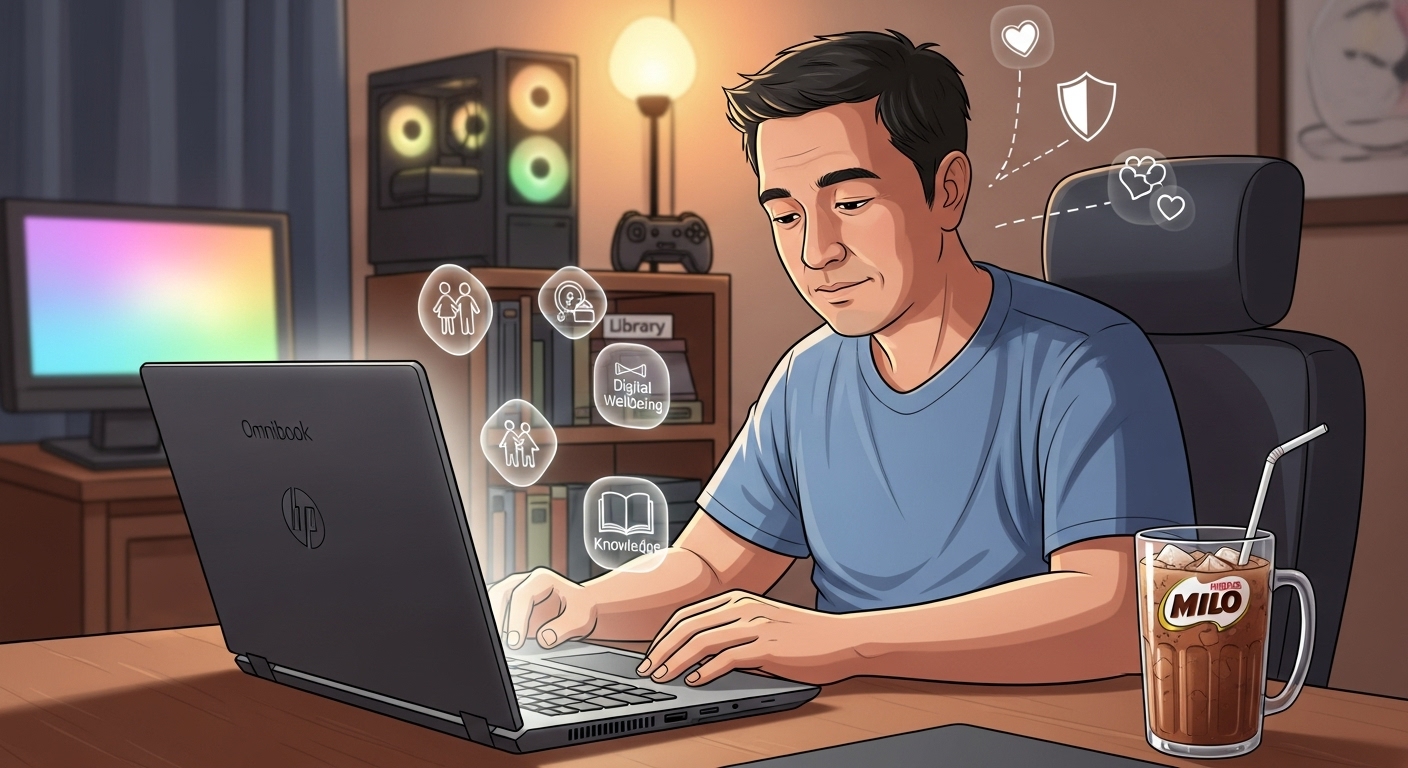
A few days after leaving corporate life, I treated myself to a new machine, the HP OmniBook Flip X with Ryzen 5 AI. Sleek, quiet, and surprisingly fast. But what really caught my attention was not the specs; seriously speaking, I have a Gaming Rig that can withstand 4K without a fuss. What made me purchase was the word on the box: AI PC

First thought is that… this may just be a marketing fluff. What is this AI on the box… Ridiculous, I say. Then I started to do some research about it, and now I understand the local AI features which are: Text generation, summarisation, real-time transcription (ini sgt penting, untuk orang yg ada macam² nak buat). These are all running offline tau, without the need to connect to the Cloud Service. Read: neural processing units (NPUs).

What Makes an AI PC Different

AI PCs are equipped with neural processing units (NPUs), hardware designed to accelerate tasks like summarisation, transcription, image recognition, and real-time language translation. Unlike traditional PCs, AI PCs can run these tasks locally, without relying on cloud servers. Think of it as a mini brain that handles AI tasks directly on your device.

What does it mean??? Well, with AI PC you can get:

  1. Faster performance for AI-heavy tasks
  2. Lower power usage (dia process pakai NPU bukan processor, so kurang la penggunaan kuasa bateri)
  3. Privacy Saudara!!! sebab… your data stays on your PC – you tak upload data dekat Cloud. (bukan sahaja Smart computing, ianya juga adalah responsible computing)

From Searching to Synthesising

Back when I managed library systems, the focus was always on finding, indexing, cataloguing, and providing access. AI PCs flip that dynamic. Now, I can synthesise. My laptop helps me summarise PDFs, extract insights from reports, and even generate blog drafts like this one, instantly, without connecting to the cloud. (yeah, saya pakai AI untuk bantu saya tulis ni). Disclaimer: It’s not replacing thinking; it’s accelerating it.

This new environment demands a new literacy, which is AI literacy. Knowing how to ask the right question, provide the right context, and verify the output. For librarians and knowledge workers, this is familiar territory. We have always been intermediaries between questions and answers, data and decisions. Now the dialogue just happens with an AI model instead of a database.

AI PCs and the Personal Knowledge Ecosystem

I see AI PCs as the first step toward a personal knowledge ecosystem, as each device is tuned to its user’s habits, context, and domain. Imagine engineers, analysts, or researchers running secure, local AI models that learn their preferences and workflows.

For knowledge centres, this sparks a new mission: from managing collections to enabling connections, from static access to dynamic insight. The librarian’s role has evolved from gatekeeper to guide. With AI PCs, we are not just organising information, we are designing experiences.

Baik… Cuba bayangkan…

  1. During workshop, training atau sembang² biasa, AI PC can transcribe live discussions and then extract action items. This is a productivity improvement with security and privacy mode enabled.
  2. You now have your own personal assistant to summarise your unread emails. Pembantu peribadi AI ini boleh draft to-do list, and buat reminder for whatever important meeting (kot la ada interview masuk kerja di kala menjadi YB (Yang Bersara).
  3. Paling best… bantu you draftkan blog post macam ni – Git gud with AI — not at being faster, but at being smarter.

A Librarian’s Reflection

Leaving the corporate library after twelve years has given me a new perspective. I am no longer managing systems, but I am still managing knowledge, in my own small way. My new HP Omnibook Flip X reminds me that the boundary between human and machine knowledge is getting thinner.

AI PCs will not replace librarians as Natural Intelligence, even if it is slow, it is still able to bring judgment, ethics, and context, which AI is currently not able to, as they lack human judgment, ethical reasoning, and contextual awareness.

As I pivot into new creative and professional directions, I carry this belief:

We are not being replaced. We are being reimagined.

Embracing Change After Layoff: Rise Like Hornet

I have been laid off. There. I said it.

It’s a strange sentence to type and heavier than expected. After years of showing up, building systems, mentoring teammates, and calling a place “home,” the silence that follows the final sign-off hits differently. But somewhere between that pause and the next step forward, I realised something:

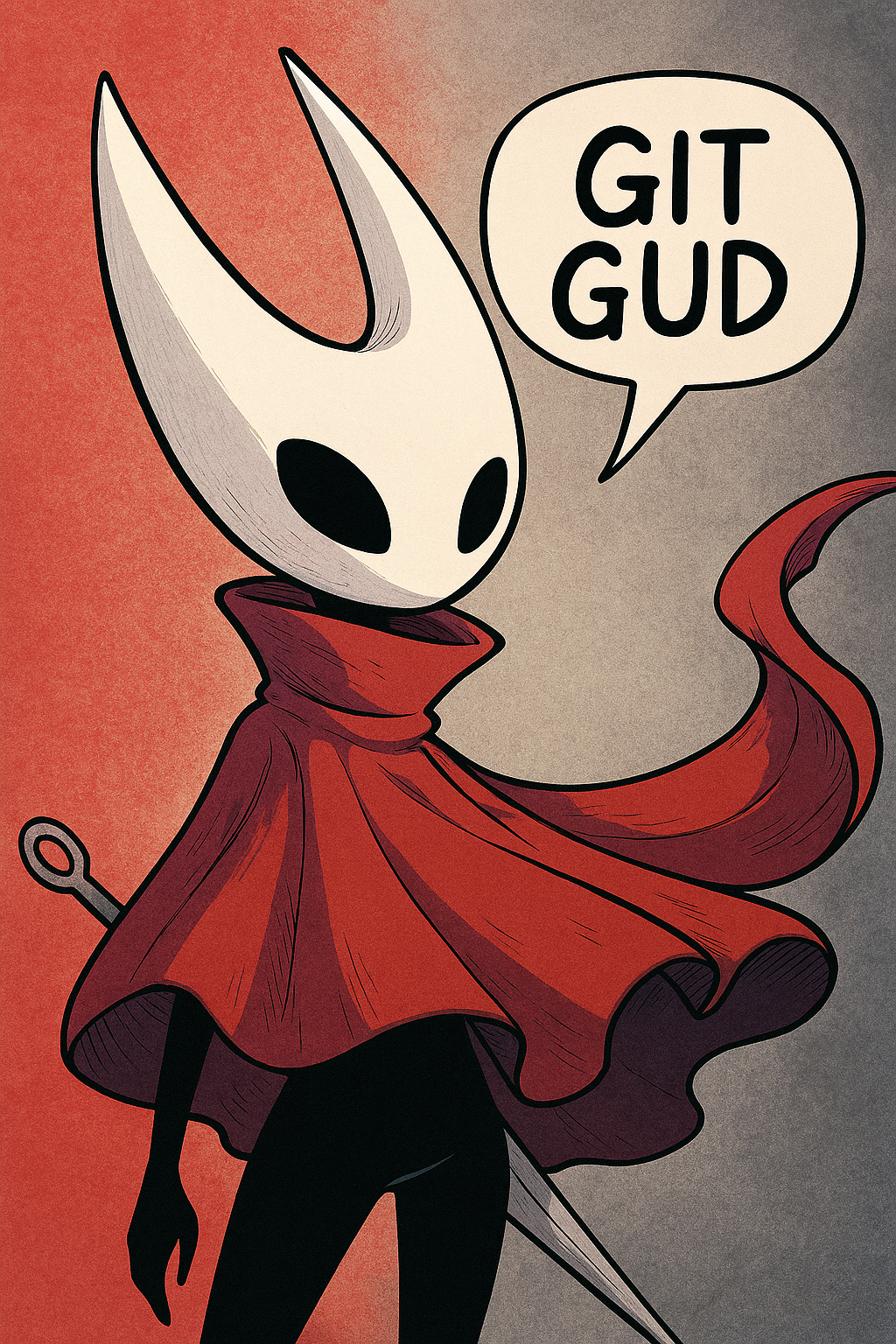
Hornet was right all along.

“Git Gud.”

Not as a taunt. Not as a mockery. But as a mantra.

The Game Just Changed… and I am Hornet Now

In Hollow Knight: Silksong, you don’t play the quiet wanderer anymore. You play as Hornet, the agile, fierce, and constantly under pressure. The game does not ease you in. It throws you into chaos. Every enemy is faster. Every platform demands precision. Every moment is a test of adaptability.

That is what a layoff feels like. You are no longer following a familiar map. You are crafting your own. And like Hornet, you don’t get to rest, but instead you get to rise.

“Git Gud” in Real Life

Here is how I’m reading that phrase now:

  • Refine your build. The version of you that thrived before may not be the one needed next. Audit your skills, values, and habits. Upgrade what matters.
  • Learn new patterns. Whether it’s AI, design thinking, or better self-management, the meta has shifted. Adapt or get left behind.
  • Stay curious, not bitter. Rage-quitting does not reset the world. Exploring does.
  • Help other players. The best way to relearn the game is to share what you know. Someone else is still fighting their first boss.

Between Failure and Flow

I won’t romanticise it, as being laid off hurts. Pride gets tangled with uncertainty. But there is also freedom. For the first time in years, I get to ask:

What do I actually want to build next?

Maybe this is the moment I am going to re-spec my character. New tools. New allies. New quests. Maybe I will respawn somewhere unexpected, but stronger, lighter, and less afraid of falling.

The Last Checkpoint

Saudara2 semua, who’s been through the same, know this that you are not alone. The world just whispered the same line Hornet does every time she leaps into battle: Git Gud!!

It’s not cruel. It’s an invitation.

Time to pick up the controller again.

Dear PRC, It’s Been 12 Years

Twelve years. That’s a lot of logins, meetings, and “can you share your screen?” moments.

When I first walked into PRC, I had no idea that this mix of books, databases, and brilliant minds would become such a defining part of my life. Somewhere between The Library Systems, MyPRECISE, and countless emails that began with “just checking,” PRC stopped being just a workplace. It became a family.

Over the years, I have had the privilege of working alongside an incredible team to shape PRC’s digital evolution. Together, we migrated our library systems from Millennium to Sierra, and then from Sierra to Symphony, whereby each transition was a leap forward in how we manage and deliver knowledge. It wasn’t just about software; it was about collaboration, late nights, and shared victories.

We digitised over 1.2 million resources of images, videos, and audio with the intent to preserve PETRONAS’ rich heritage and make it accessible at the click of a button. That milestone wasn’t mine alone, as it was the result of tireless teamwork, meticulous planning, and a shared belief in the power of preservation.

We modernised the OPAC, transforming it from a rigid out-of-the-box interface into a fluid, user-friendly experience. We migrated SharePoint (MyPRECISE) from 2010 to 2013, then to 2019, and finally into the cloud with M365, bringing collaboration into the future. Every step was a team effort, with each member bringing their expertise, creativity, and grit.

And when the office had not changed since 1997, we reimagined it into the “New Workplace for Tomorrow,” turning a static space into one that reflects how we work today. (The library itself had its own glow-up with two refurbishments in 2005 and again in 2018.)

Beyond the big projects, I have handled countless system librarian tasks, a quiet, behind-the-scenes work that keeps everything running. But even those moments were rarely solo. Whether it was troubleshooting a glitch, refining metadata, or streamlining workflows, I always had a team beside me.

Now, as I close this chapter under MSS, I realise how much of me is written into PRC’s story, and how much of PRC lives in mine.

To my team: thank you for the laughs, the teamwork, and the never-ending patience (especially during those “quick meetings” that somehow lasted an hour). You made every challenge lighter and every success sweeter. You turned projects into milestones and milestones into memories.

To my bosses: thank you for the trust, the guidance, and the space to grow. You have shaped not just what I do, but how I see work, people, and purpose.

And to PRC itself, thank you for being more than just a library. You were a classroom, a playground, and sometimes even a therapy room.

I will carry the memories, lessons, and friendships long after the staff pass expires.

This isn’t goodbye. It’s just the next chapter. Maybe with less SharePoint, fewer renewals, and hopefully better coffee.

Here’s to 12 good years, PRC. You have been one of the best parts of my story.

Why a 45-Year-Old Dad Still Plays Zelda

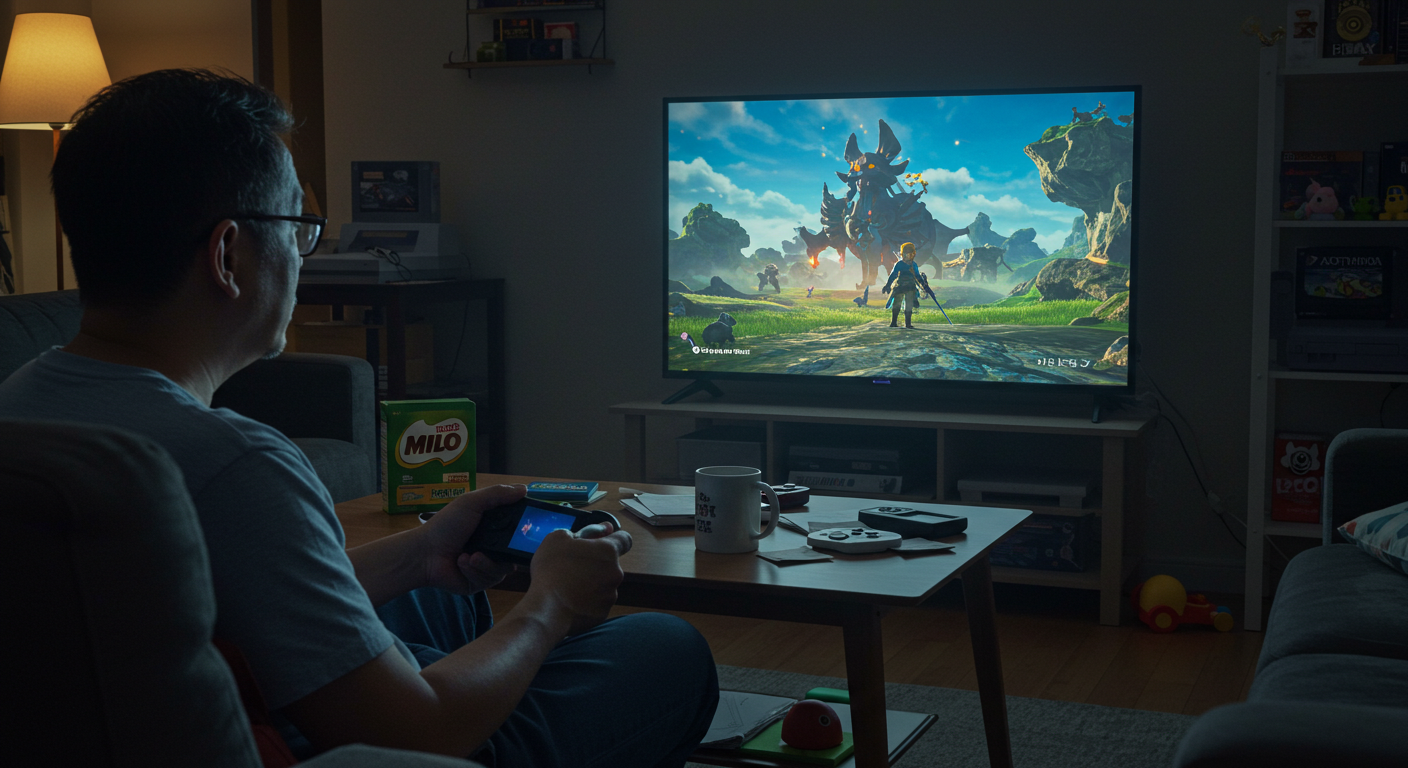
Last night I finally picked up my Nintendo Switch again. The game? The Legend of Zelda: Breath of the Wild.

Now, I’ve had this game sitting in my collection for a while, but only recently betul-betul ada masa nak layan. At first, I was a bit reserved about the whole Nintendo Switch thing. Honestly, I’m not a big fan of handheld devices. My hands are like frying pans, so the tiny Joy-Cons? Forget it. I prefer a proper console or PC setup. Luckily, the Switch comes with a dock, so boom, big screen, real controller feel brother!

And yesterday, history was made. I defeated Waterblight Ganon and finally freed the Divine Beast Vah Ruta. No walkthroughs, no guides, nothing. Why? Because Link in this game starts with memory loss, so I decided to roleplay, kan… kalau Link tak tahu apa-apa, aku pun sama. Pure discovery sedara. Baru mashuk.

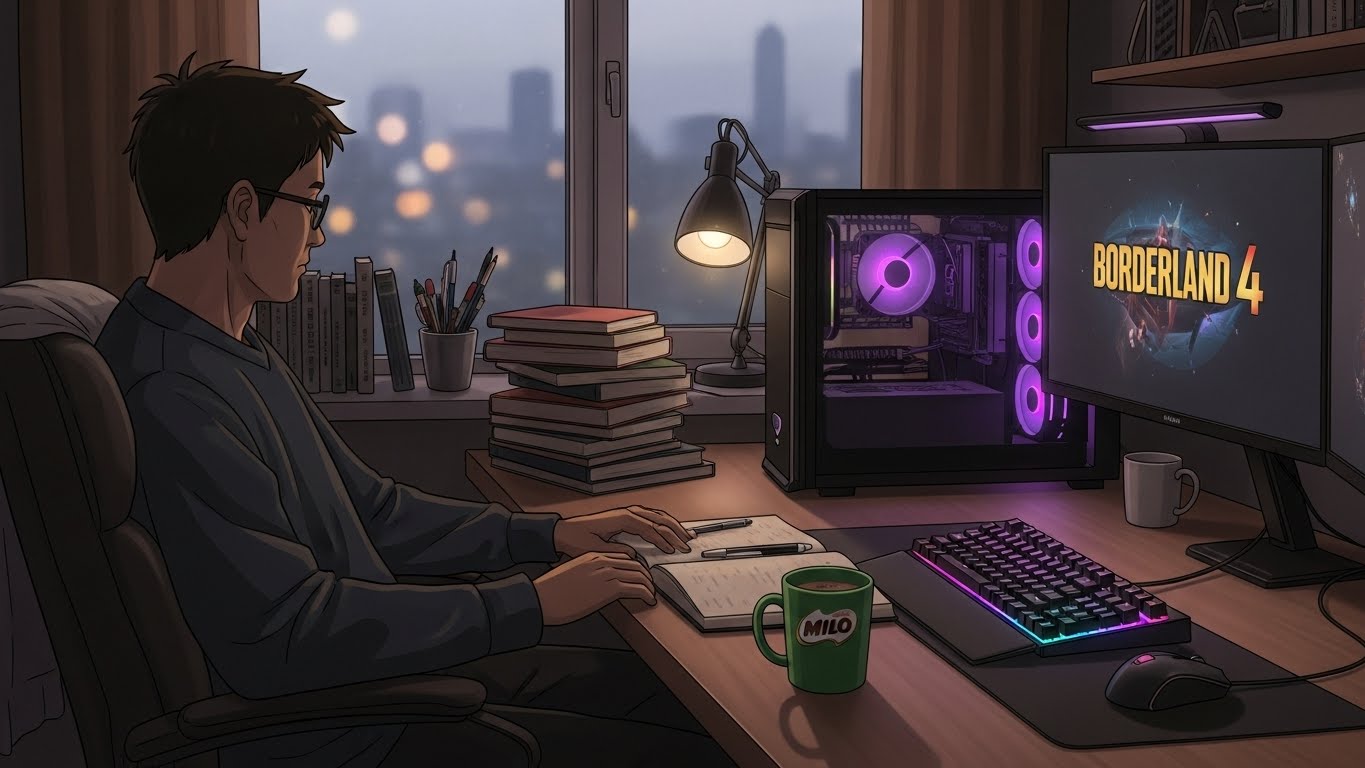
The last Zelda game I played? A Link to the Past, which was, what, a few decades ago? That hit me. I’ve gone from a skinny kid blowing into SNES cartridges to a dad with three kids and a Milo packet always somewhere near my desk. But here I am, still saving Hyrule.

Gaming at 45 isn’t about escapism alone. It’s about nostalgia, about keeping that curious kid alive. Every shrine, every puzzle, it reminds me why I fell in love with games in the first place.

And you know what? It feels good to know that while my kids might laugh at me yelling at cartoon monsters, deep down, they’re seeing their dad doing the same thing they do, (roblox la, menda la Roblox) figuring things out, failing, trying again, and celebrating small victories.

So yeah, orang dewasa main game sebab game ni tak pernah hilang fun. Kita je yang makin tua, tambah bil, tambah tanggungjawab, TV pun makin besar. Tapi bila Link pegang Master Sword… umur 15 ke 45, kau tetap hero dalam adventure kau sendiri.

Cuma bezanya sekarang… hero tu ada Milo panas sebelah, ready bila pause button ditekan.

A Historic Moment Remembered: Malaysia’s Inaugural Ceremony, 1963

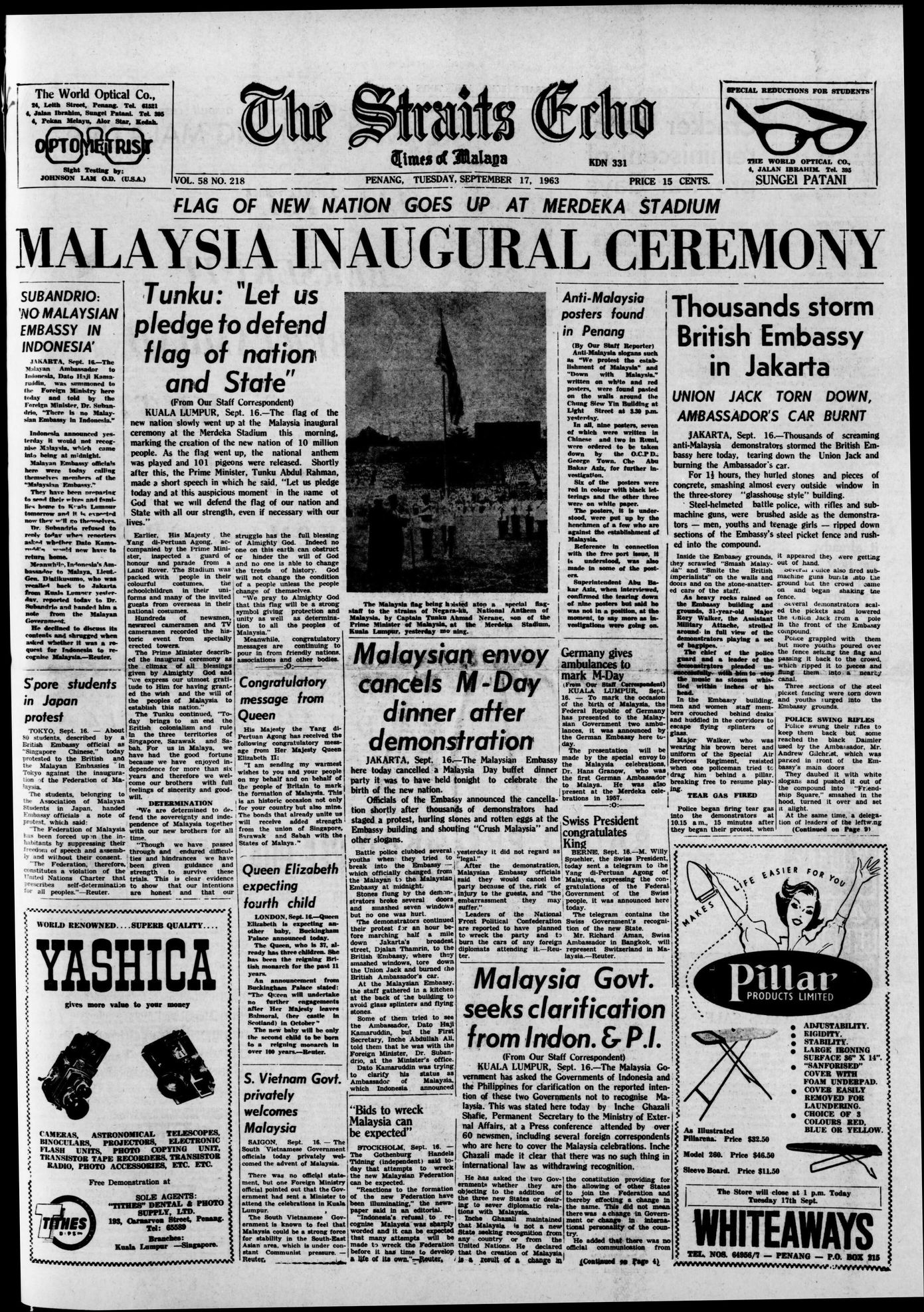
On September 17, 1963, the Straits Echo and Times of Malaya captured a defining moment in our nation’s history, the inaugural ceremony marking the formation of Malaysia. This landmark event united Malaya, Sabah, Sarawak, and Singapore under one federation, symbolizing a bold step toward regional unity and self-determination.

The ceremony reflected the hopes of a newly formed nation, with dignitaries, cultural performances, and a spirit of celebration that echoed across Penang and beyond. It was more than a political milestone. It was the birth of a shared identity.

As we look ahead to Malaysia Day, let’s honor the legacy of those who shaped our journey and continue building a future rooted in unity, diversity, and pride.

Radio Klasik 2060: Bila Lagu Kopi Jadi Evergreen

Masa aku kecil dulu, rumah selalu penuh dengan bunyi Radio Klasik. Lagu-lagu P. Ramlee, Saloma, R. Azmi, semua tu jadi soundtrack hidup mak bapak kita. Generasi aku (Gen X) dah terbiasa dengan itu.

Tapi bila aku fikir ke depan… Radio Klasik tahun 2060, apa agaknya yang mereka akan main?

Anak-anak aku sekarang, generasi Millennials dan Gen Z, lagu yang viral kat telinga mereka bukan lagi “Getaran Jiwa.” Diorang hafalnya lagu Kopi by Nazu & Fahimi. Bayangkan announcer Radio Klasik 35 tahun lagi:

“Dan seterusnya, sebuah lagu klasik dari tahun 2020-an. Pernah tular di TikTok, dan menjadi siulan anak muda zaman itu… Lagu Kopi.”

Oi Aku Nak Tanya Ni
Suka Matcha Atau Suka Kopi
Kalau Pilih Kopi 
Baik Kopilih Ku Disini
Macam Novel Cinta
Kisah Romeo Dan Juliet
Dah Kenyataannya 
Ku Hanya Sendiri Menatap

Apa Yang Ada
Ku Bayangkan
Engkau Putera
Yang Datang
Tuk Selamatkan Ah Ah Ah

Ku Seorang 
Puteri Yang Sedang 
Kesepian Menunggumu
Huu

Oi Aku Nak Tanya Ni
Suka Matcha Atau Suka Kopi
Kalau Pilih Kopi 
Baik Kopilih Ku Disini
Macam Novel Cinta

Kisah Romeo Dan Juliet
Dah Kenyataannya 
Ku Hanya Sendiri Menatap
Apa Yang Ada

Bukan Bayangan
Realitinya Walau Ku Tak Ada Di Depan Mata Matamu Sayang

Menerangi Jalan Aku Pulang Padamu 
Aku Romeo Engkau Juliet
Selamanya Ku Ada Untukmu

Romeo Aku Juliet
Tak Tercari Aku Putera Selainmu Romeo
Romeo Aku Juliet
Tak Tercari Aku Putera Selainmu Romeo

Oi Kau Suka Matcha Atau Kopi
Oi Baik Kopi-Lih Ku Disini
Oi Kau Suka Matcha Atau Kopi
Oi Baik Kopi-Lih Ku Disini

Baik Kopi-Lih Ku Disini

Masa tu cucu-cucu kita tanya:
“Tok, betul ke dulu semua orang nyanyi lagu pasal kopi ni?”
Dan bapak budak tu jawab penuh yakin:
“Ha’ah, tu la lagu klasik zaman abah muda. Jangan main-main, lagu tu pernah trending seminggu!”

Lucu kan? Kita ingat lagu klasik tu P. Ramlee. Anak-anak kita pula nanti anggap lagu pasal kopi sebagai evergreen.

Jadi soalan aku: Radio Klasik masa depan ni, nak ketawa ke nak menangis bila lagu Kopi jadi warisan bangsa?

Birth of a New Nation

On 31 August 1957, Malaya gained independence from British colonial rule, marking the birth of a new nation. The historic event was celebrated at Merdeka Stadium in Kuala Lumpur, where the Union Jack was lowered and the Malayan flag was raised for the first time. Led by Tunku Abdul Rahman, the country’s first Prime Minister, the moment symbolised the beginning of self-governance, unity among diverse communities, and the hope for a prosperous future. It was a proud and defining milestone in Malaysia’s journey towards nationhood.

Source: The Straits Echo – 31 August 1957

The Day Siri Almost Got Me in Trouble

Morning school runs are usually routine, get the kids in the car, survive the traffic, sip Coffee from my trusty tumbler, and maybe sneak in a bit of podcast time.

But that day, I made the mistake of talking to Siri.

While driving, I said, “Hey Siri, call my wife.”

Siri, with the confidence of someone who has never been married, replied:

“Which one? Suzila Isteriku Munawar, Suzila Isteriku Tercantik Sedunia, or Suzila Munawar?”

Before I could defend myself, my 14-year-old son Adam, sitting at the back, sensing danger like a cat hearing a can opener and said loudly:

“Wow Abie!!! You have three wives?! Careful Abie… nanti kena tidur luar.”

At that point, my daughters were already laughing, and I was calculating the odds of Siri making it through the rest of the trip.

Just imagine if this happened in public and the WIFE was sitting right next to you. That’s not just “funny anecdote” territory! That’s a public trial without a jury.

Now your wife freezes mid-sip, the barista stops steaming the milk, and the uncle at the next table lowers his newspaper just to get a better look at the guy who apparently has three wives.

In that split second, you have to choose:

  • Laugh it off (risky).
  • Blame Siri (safe but suspicious).
  • Or fake a call and pretend Siri was asking which contact group to use (expert-level damage control).

Lesson learned: Siri may be smart, but she is not designed for marital harmony.

Also… do not test voice commands when your kids are in the car, they are too quick to turn small things into big dramas.