Dear PRC, It’s Been 12 Years

Twelve years. That’s a lot of logins, meetings, and “can you share your screen?” moments.

When I first walked into PRC, I had no idea that this mix of books, databases, and brilliant minds would become such a defining part of my life. Somewhere between The Library Systems, MyPRECISE, and countless emails that began with “just checking,” PRC stopped being just a workplace. It became a family.

Over the years, I have had the privilege of working alongside an incredible team to shape PRC’s digital evolution. Together, we migrated our library systems from Millennium to Sierra, and then from Sierra to Symphony, whereby each transition was a leap forward in how we manage and deliver knowledge. It wasn’t just about software; it was about collaboration, late nights, and shared victories.

We digitised over 1.2 million resources of images, videos, and audio with the intent to preserve PETRONAS’ rich heritage and make it accessible at the click of a button. That milestone wasn’t mine alone, as it was the result of tireless teamwork, meticulous planning, and a shared belief in the power of preservation.

We modernised the OPAC, transforming it from a rigid out-of-the-box interface into a fluid, user-friendly experience. We migrated SharePoint (MyPRECISE) from 2010 to 2013, then to 2019, and finally into the cloud with M365, bringing collaboration into the future. Every step was a team effort, with each member bringing their expertise, creativity, and grit.

And when the office had not changed since 1997, we reimagined it into the “New Workplace for Tomorrow,” turning a static space into one that reflects how we work today. (The library itself had its own glow-up with two refurbishments in 2005 and again in 2018.)

Beyond the big projects, I have handled countless system librarian tasks, a quiet, behind-the-scenes work that keeps everything running. But even those moments were rarely solo. Whether it was troubleshooting a glitch, refining metadata, or streamlining workflows, I always had a team beside me.

Now, as I close this chapter under MSS, I realise how much of me is written into PRC’s story, and how much of PRC lives in mine.

To my team: thank you for the laughs, the teamwork, and the never-ending patience (especially during those “quick meetings” that somehow lasted an hour). You made every challenge lighter and every success sweeter. You turned projects into milestones and milestones into memories.

To my bosses: thank you for the trust, the guidance, and the space to grow. You have shaped not just what I do, but how I see work, people, and purpose.

And to PRC itself, thank you for being more than just a library. You were a classroom, a playground, and sometimes even a therapy room.

I will carry the memories, lessons, and friendships long after the staff pass expires.

This isn’t goodbye. It’s just the next chapter. Maybe with less SharePoint, fewer renewals, and hopefully better coffee.

Here’s to 12 good years, PRC. You have been one of the best parts of my story.
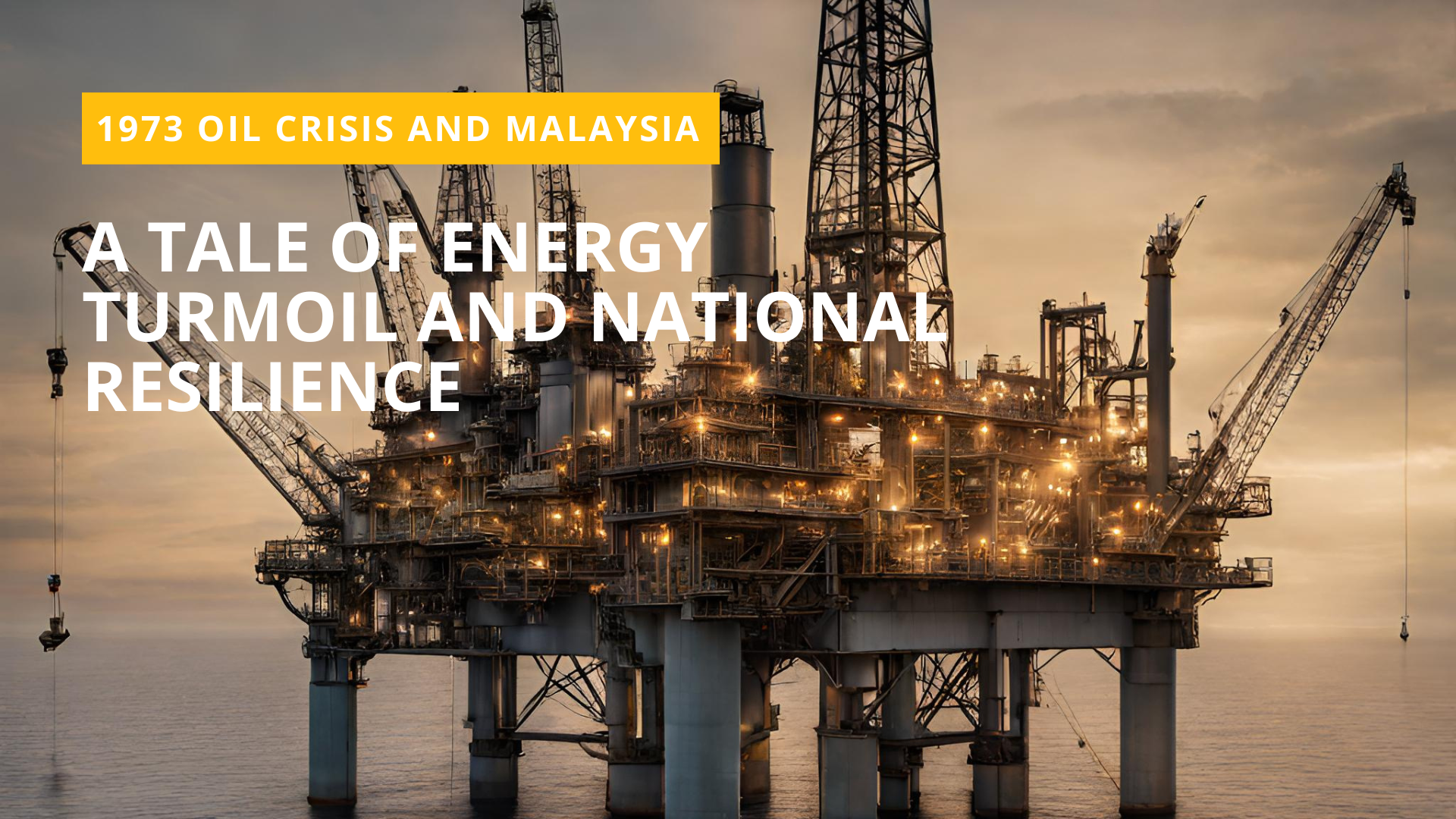
The 1973 Oil Crisis and PETRONAS: A Tale of Energy Turmoil and National Resilience

The 1973 oil crisis is a pivotal moment in global energy history, reshaping economies, policies, and the fabric of international relations. At the heart of this crisis lies the Organization of Arab Petroleum Exporting Countries (OAPEC) and their decision to wield oil as a geopolitical weapon. But how did this crisis impact Malaysia, and what role did PETRONAS play in the nation’s response? Let’s delve into this fascinating chapter.

The 1973 Oil Crisis: Origins and Impact

The Embargo
In October 1973, OAPEC declared an oil embargo against nations that had supported Israel during the Yom Kippur War. Countries like the United States, Canada, Western European allies, and Japan were cut off from vital oil supplies. The oil price soared globally, rising from a mere USD 3 per barrel to nearly USD 12 per barrel.

The First Oil Shock
The crisis had both short-term and long-term effects on the global economy and politics. It became known as the “first oil shock”, distinct from the later 1979 oil crisis triggered by the Iranian Revolution. The shockwaves reverberated across continents, leading to energy shortages, inflation, and economic disruptions.

Malaysia’s Vulnerability
Malaysia, like many other nations, felt the tremors of the crisis. Its dependence on foreign oil raised concerns about energy security. The country realised that relying solely on oil imports left it vulnerable to external shocks. Something had to change.

PETRONAS: Birth of a National Champion

The Genesis
In 1974, Malaysia took a bold step by establishing PETRONAS (Petroliam Nasional Berhad). This state-owned oil and gas company became the custodian of Malaysia’s hydrocarbon resources. Its mission to ensure energy self-sufficiency, control over oil reserves, and economic stability.

Key Milestones

  • 1983: PETRONAS entered the refining and distribution market.
  • 1985: The Peninsular Gas Utilization Project began, enhancing natural gas supply.
  • 1990: PETRONAS expanded its oil exploration beyond Malaysia’s borders.
  • 1994: PETRONAS Dagangan Bhd, a subsidiary, listed on the Kuala Lumpur Stock Exchange.
  • 2003: The Malaysia LNG Tiga Plant opened, bolstering liquefied natural gas production.

PETRONAS’s Role
PETRONAS became more than an energy company; it embodied national resilience. Its contributions included:

  1. Energy Security: PETRONAS ensured Malaysia’s access to oil and gas resources, shielding the nation from external shocks.
  2. Economic Growth: PETRONAS fueled industrial development and job creation by investing in infrastructure.
  3. Global Reach: PETRONAS ventured beyond borders, becoming a global player in the energy arena.

Legacy and Lessons

The 1973 oil crisis left an indelible mark on Malaysia’s energy policies. PETRONAS became a beacon of self-reliance, steering the nation toward sustainable energy practices as we face new challenges, e.g. climate change, decarbonisation, and energy transition – PETRONAS’s legacy reminds us that resilience and vision are essential.

In conclusion, the 1973 oil crisis birthed PETRONAS, a national champion that continues to shape Malaysia’s energy destiny. Let us learn from history and chart a course toward a greener, more secure future.

References:

  1. Wikipedia. (2023). 1973 oil crisis.
  2. Cambridge University Press. (2022). Malaysia’s expansion of its maritime jurisdiction and the World Oil Crisis, 1973–80.