AI PCs and the Future of Knowledge Work: A Librarian’s Take

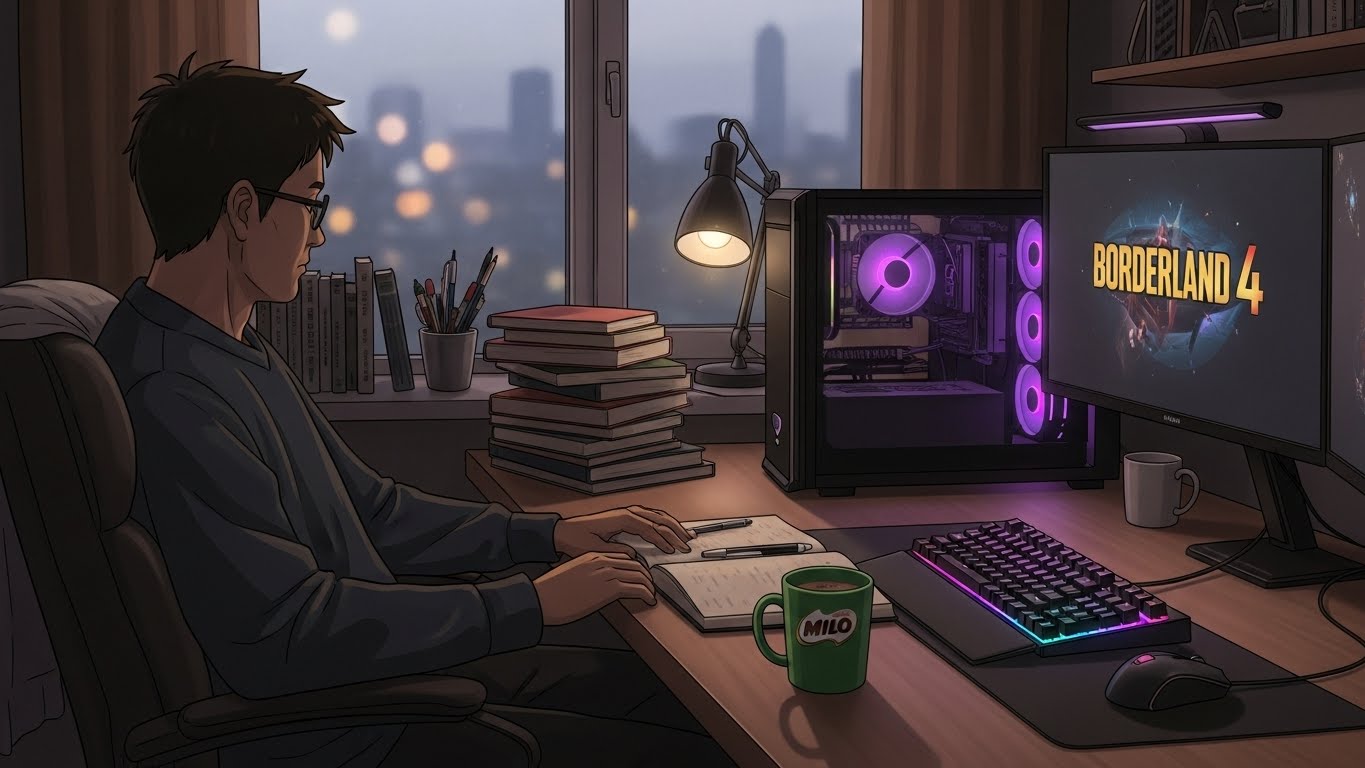
A few days after leaving corporate life, I treated myself to a new machine, the HP OmniBook Flip X with Ryzen 5 AI. Sleek, quiet, and surprisingly fast. But what really caught my attention was not the specs; seriously speaking, I have a Gaming Rig that can withstand 4K without a fuss. What made me purchase was the word on the box: AI PC

First thought is that… this may just be a marketing fluff. What is this AI on the box… Ridiculous, I say. Then I started to do some research about it, and now I understand the local AI features which are: Text generation, summarisation, real-time transcription (ini sgt penting, untuk orang yg ada macam² nak buat). These are all running offline tau, without the need to connect to the Cloud Service. Read: neural processing units (NPUs).

What Makes an AI PC Different

AI PCs are equipped with neural processing units (NPUs), hardware designed to accelerate tasks like summarisation, transcription, image recognition, and real-time language translation. Unlike traditional PCs, AI PCs can run these tasks locally, without relying on cloud servers. Think of it as a mini brain that handles AI tasks directly on your device.

What does it mean??? Well, with AI PC you can get:

  1. Faster performance for AI-heavy tasks
  2. Lower power usage (dia process pakai NPU bukan processor, so kurang la penggunaan kuasa bateri)
  3. Privacy Saudara!!! sebab… your data stays on your PC – you tak upload data dekat Cloud. (bukan sahaja Smart computing, ianya juga adalah responsible computing)

From Searching to Synthesising

Back when I managed library systems, the focus was always on finding, indexing, cataloguing, and providing access. AI PCs flip that dynamic. Now, I can synthesise. My laptop helps me summarise PDFs, extract insights from reports, and even generate blog drafts like this one, instantly, without connecting to the cloud. (yeah, saya pakai AI untuk bantu saya tulis ni). Disclaimer: It’s not replacing thinking; it’s accelerating it.

This new environment demands a new literacy, which is AI literacy. Knowing how to ask the right question, provide the right context, and verify the output. For librarians and knowledge workers, this is familiar territory. We have always been intermediaries between questions and answers, data and decisions. Now the dialogue just happens with an AI model instead of a database.

AI PCs and the Personal Knowledge Ecosystem

I see AI PCs as the first step toward a personal knowledge ecosystem, as each device is tuned to its user’s habits, context, and domain. Imagine engineers, analysts, or researchers running secure, local AI models that learn their preferences and workflows.

For knowledge centres, this sparks a new mission: from managing collections to enabling connections, from static access to dynamic insight. The librarian’s role has evolved from gatekeeper to guide. With AI PCs, we are not just organising information, we are designing experiences.

Baik… Cuba bayangkan…

  1. During workshop, training atau sembang² biasa, AI PC can transcribe live discussions and then extract action items. This is a productivity improvement with security and privacy mode enabled.
  2. You now have your own personal assistant to summarise your unread emails. Pembantu peribadi AI ini boleh draft to-do list, and buat reminder for whatever important meeting (kot la ada interview masuk kerja di kala menjadi YB (Yang Bersara).
  3. Paling best… bantu you draftkan blog post macam ni – Git gud with AI — not at being faster, but at being smarter.

A Librarian’s Reflection

Leaving the corporate library after twelve years has given me a new perspective. I am no longer managing systems, but I am still managing knowledge, in my own small way. My new HP Omnibook Flip X reminds me that the boundary between human and machine knowledge is getting thinner.

AI PCs will not replace librarians as Natural Intelligence, even if it is slow, it is still able to bring judgment, ethics, and context, which AI is currently not able to, as they lack human judgment, ethical reasoning, and contextual awareness.

As I pivot into new creative and professional directions, I carry this belief:

We are not being replaced. We are being reimagined.

Embracing Change After Layoff: Rise Like Hornet

I have been laid off. There. I said it.

It’s a strange sentence to type and heavier than expected. After years of showing up, building systems, mentoring teammates, and calling a place “home,” the silence that follows the final sign-off hits differently. But somewhere between that pause and the next step forward, I realised something:

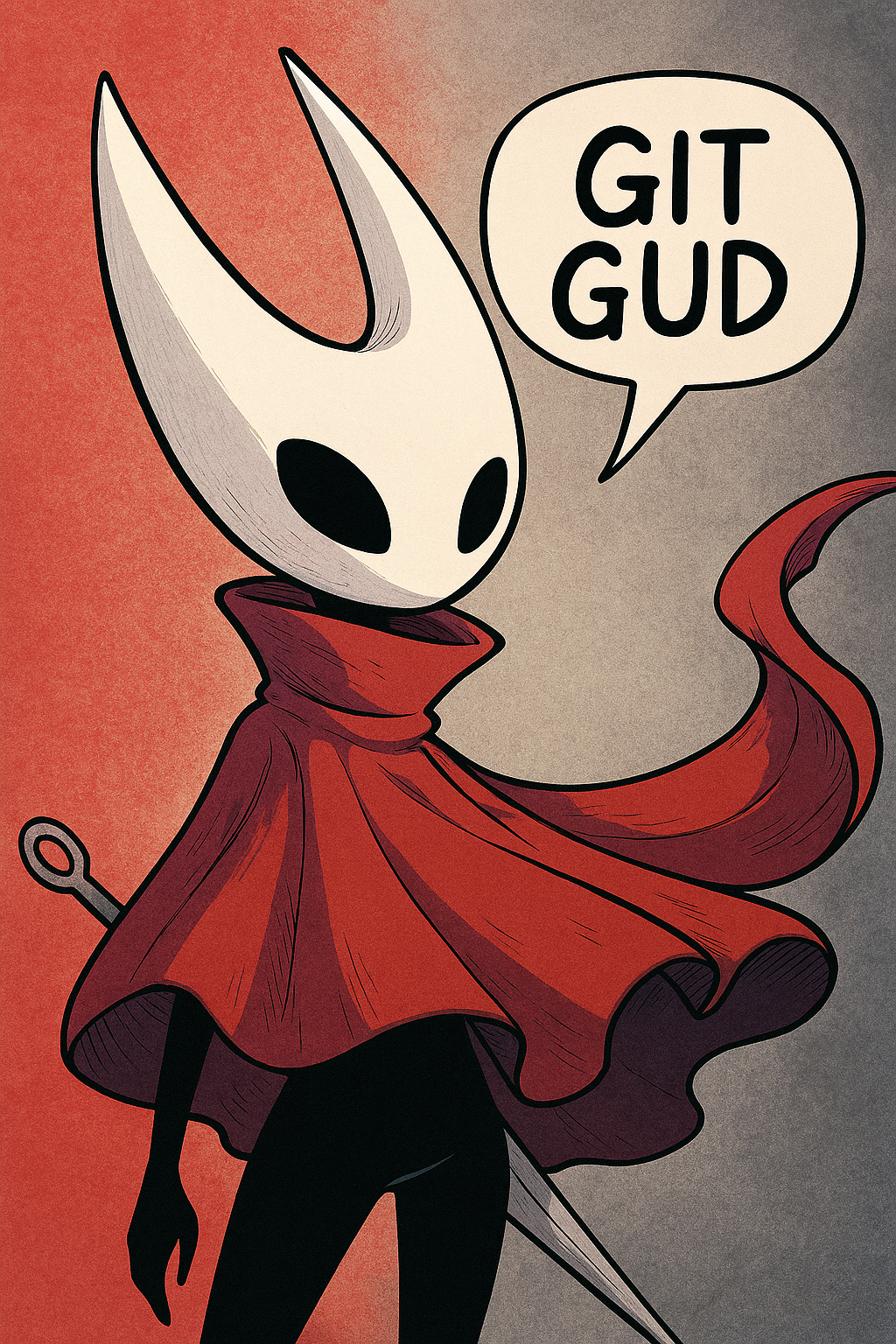
Hornet was right all along.

“Git Gud.”

Not as a taunt. Not as a mockery. But as a mantra.

The Game Just Changed… and I am Hornet Now

In Hollow Knight: Silksong, you don’t play the quiet wanderer anymore. You play as Hornet, the agile, fierce, and constantly under pressure. The game does not ease you in. It throws you into chaos. Every enemy is faster. Every platform demands precision. Every moment is a test of adaptability.

That is what a layoff feels like. You are no longer following a familiar map. You are crafting your own. And like Hornet, you don’t get to rest, but instead you get to rise.

“Git Gud” in Real Life

Here is how I’m reading that phrase now:

  • Refine your build. The version of you that thrived before may not be the one needed next. Audit your skills, values, and habits. Upgrade what matters.
  • Learn new patterns. Whether it’s AI, design thinking, or better self-management, the meta has shifted. Adapt or get left behind.
  • Stay curious, not bitter. Rage-quitting does not reset the world. Exploring does.
  • Help other players. The best way to relearn the game is to share what you know. Someone else is still fighting their first boss.

Between Failure and Flow

I won’t romanticise it, as being laid off hurts. Pride gets tangled with uncertainty. But there is also freedom. For the first time in years, I get to ask:

What do I actually want to build next?

Maybe this is the moment I am going to re-spec my character. New tools. New allies. New quests. Maybe I will respawn somewhere unexpected, but stronger, lighter, and less afraid of falling.

The Last Checkpoint

Saudara2 semua, who’s been through the same, know this that you are not alone. The world just whispered the same line Hornet does every time she leaps into battle: Git Gud!!

It’s not cruel. It’s an invitation.

Time to pick up the controller again.